Tea Time: A Designer’s Real-World Embroidery Review
As someone who’s stitched hundreds of designs across apparel, home goods, and boutique merchandise—and reviewed dozens of digital embroidery files for craft businesses—I opened Tea Time expecting charm. What I found was something more useful: a quietly versatile, mood-driven design that earns its place in a working designer’s library—not because it’s flashy, but because it *works*.
First Impressions: Warm, Refined, and Ready for Real Fabric
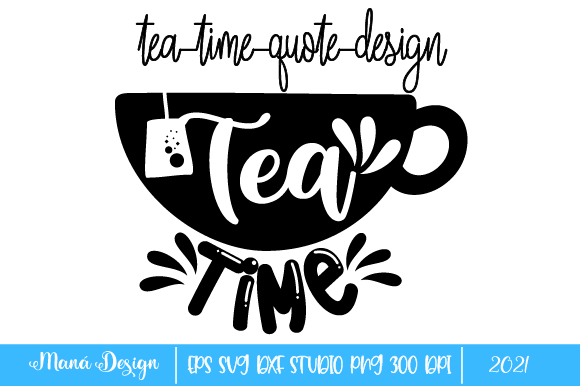
Tea Time lands with gentle confidence. It’s not fussy or overly detailed—no tiny teacup steam swirls or micro-lettering—but it carries unmistakable personality: rounded curves, balanced negative space, and a soft rhythm between solid shapes and open areas. The composition feels intentional, not just decorative. You can imagine it stitched in muted sage and cream on a linen tea towel, or rich burgundy on a heavyweight cotton tote. It reads as handmade, not mass-produced—exactly the tone small shop owners and Etsy sellers need to stand out.
A Real Project Test: Embroidering a Linen Apron for a Local Bakery
Last week, I used Tea Time on a custom apron for a neighborhood bakery launching their “Afternoon Tea” pop-up. Linen, medium-weight, slightly textured—ideal for showing off stitch definition without demanding perfection. I chose a satin stitch border around the main motif and soft fill stitches for the teapot and cup, keeping density moderate (no dense fills that would stiffen the fabric). The result? Clean lines, no puckering, and a finished product customers paused to admire—not just glance at. That’s the quiet power of Tea Time: it invites attention without shouting.
Where It Shines—and Where to Pause
Tea Time excels in projects where warmth and intention matter more than technical spectacle:
- Custom apparel: Sweatshirt embroidery (especially on crewnecks), lightweight t-shirts with tear-away stabilizer, and baby onesies—its clean silhouette reads clearly even at 3–4 inches wide.
- Home & kitchen goods: Tea towels, pillow covers, and napkin corners benefit from its balanced scale and subtle detail. No risk of overwhelming the item.
- Personalized gifts: As a standalone motif on a gift bag, embroidered patch, or holiday kitchen towel, it adds sincerity—not clutter.
- Craft business assets: Works beautifully in printable mockups for Etsy listings or social media previews. Its PNG at 300 DPI holds up crisp in digital presentations.
But here’s where experience kicks in: Tea Time isn’t magic. On highly stretchy fabric like jersey knits, you’ll need cutaway stabilizer and possibly a slight reduction in size to keep curves smooth. On dark fabric, test thread contrast first—some lighter fill colors may fade into the background unless adjusted. And avoid placing it directly over seams or curved surfaces like cap fronts without repositioning the design to account for distortion.
Design Integrity Meets Commercial Practicality
What makes Tea Time reliable for commercial embroidery—and why I’d confidently use it for client work—is how thoughtfully it balances visual appeal with buildability. There are no overlapping satin-stitch zones that trap thread or cause tension issues. No ultra-thin stems or delicate connectors prone to breaking during stitching. The lettering (if included in your version) is legible at 1.5 inches—no squinting required. That translates directly to fewer re-runs, less thread waste, and faster turnaround for your craft business.
It also supports brand consistency. Whether you’re selling embroidered patches on Instagram or bundling Tea Time as part of a “Cozy Kitchen” digital embroidery bundle, the design feels cohesive—not generic. Customers recognize quality stitching *and* thoughtful curation. That builds trust, especially for handmade product buyers who value authenticity over algorithm-friendly trends.
Practical Notes Every Embroidery Designer Should Check
Before stitching Tea Time into your next project—or listing it in your shop—run through these real-world checks:
- Test on scrap fabric first, especially if using textured, dark, or stretchy materials.
- Review stitch density in your embroidery software—look for any unusually tight fills that could stiffen delicate items like baby clothes.
- Confirm hoop size compatibility. While Tea Time is scalable, oversized versions may exceed standard 4×4 or 5×7 hoops—check your machine limits.
- Inspect small details like spouts or handle curves at actual stitch-out size—what looks fine on screen may need slight cleanup for clarity.
- Try black-and-white mockups to assess contrast and legibility before committing to thread colors.
- Use appropriate stabilizer: Tear-away for stable wovens, cutaway for knits or lightweight fabrics.
- Verify licensing terms—since this is a Graphics file intended for digital use, confirm whether commercial embroidery rights are included before selling finished embroidered products or reselling the file itself.
Final Thought: Not Just a Design—A Thoughtful Tool
Tea Time won’t dominate your portfolio with complexity, but it will earn repeat use. It fits naturally into Crafts workflows—whether you’re embroidering a single personalized gift or scaling production for a boutique wholesale order. Its strength lies in restraint: clear shapes, breathable spacing, and emotional resonance that feels earned, not applied. For Etsy sellers building a signature aesthetic, small shop owners curating seasonal collections, or designers sourcing dependable embroidery file assets—it’s the kind of quiet performer that makes your work look consistently polished, professional, and human.
If you’re evaluating Tea Time for your next embroidered patch, sweatshirt line, or holiday gift collection—trust your instinct. Then test it. Stitch it. See how it moves with the fabric. That’s where this design proves itself—not in specs, but in the finished product you hold in your hands.